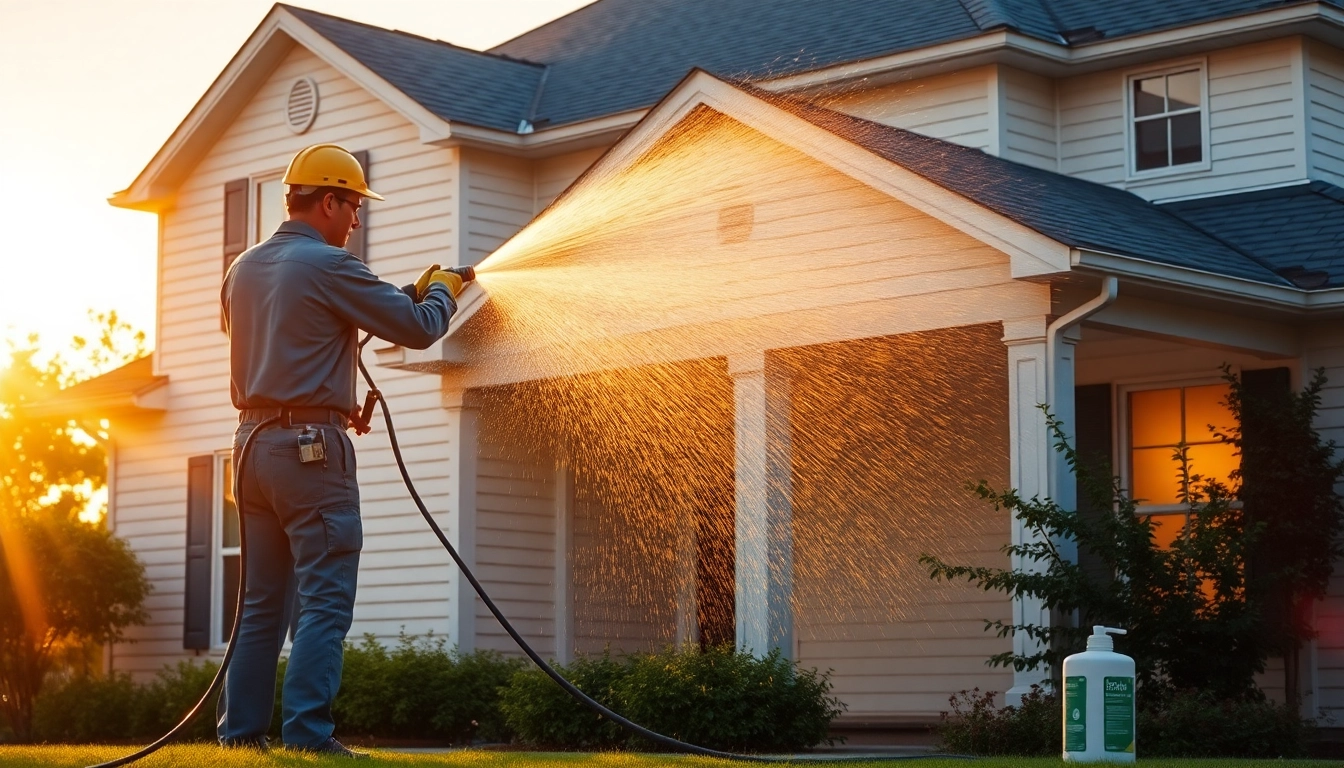
Understanding the Benefits of Soft Wash Techniques
In the world of exterior cleaning, the method of soft washing has gained significant traction among homeowners and business owners alike, especially in areas like Kissimmee, Florida. Unlike traditional pressure washing, which uses high-pressure water jets, soft wash utilizes low-pressure water combined with biodegradable cleaning solutions. This innovative technique not only cleans surfaces effectively but also protects them from damage. By understanding the benefits of soft washing, you can make an informed decision for your property’s exterior cleaning needs.
What is Soft Washing?
Soft washing is a cleaning technique that employs gentle water pressure coupled with specialized cleaning solutions to remove dirt, algae, mold, and other contaminants from exterior surfaces. It is particularly effective on delicate areas such as roofing, siding, and painted surfaces where high-pressure washing can cause damage. This method works by applying a mixture of water, biodegradable soaps, and sometimes bleach, allowing the cleaning solution to dwell for a certain period. Afterward, a low-pressure rinse removes the contaminants, leaving behind a clean surface.
Advantages of Soft Wash Over Traditional Pressure Washing
- Gentle on Surfaces: Since soft washing uses lower pressure, it minimizes the risk of damage to fragile materials like wood, shingles, and painted surfaces.
- Long-lasting Clean: The use of specialized cleaning solutions helps to kill mold and algae at the root, resulting in longer-lasting cleanliness compared to pressure washing alone.
- Eco-Friendly: Many soft wash solutions are biodegradable, making them safer for the environment and less harmful than some harsh chemicals used in traditional methods.
- Improved Curb Appeal: Removing harmful growths and stains can dramatically enhance the appearance of your property, increasing its value and appeal.
Environmental Safety of Soft Washing Solutions
One of the most significant advantages of soft washing is its emphasis on environmental safety. Unlike traditional methods that may rely on aggressive chemicals, the biodegradable solutions used in soft washing are designed to break down naturally, reducing environmental impact. This makes soft washing a preferable choice for homeowners who are environmentally conscious and want to maintain a safe ecosystem around their property.
How Soft Wash Works: The Process Explained
The soft washing process is straightforward yet requires adherence to specific techniques to ensure effectiveness and safety. Understanding how this method works will help you appreciate its benefits fully.
The Equipment Needed for Soft Washing
- Soft Wash System: This includes a pump that delivers water at a low pressure, along with hoses and spray nozzles specifically designed for soft washing.
- Biodegradable Cleaning Solutions: These are specially formulated to tackle mold, algae, and grime without harming delicate surfaces.
- Protective Gear: Gloves, goggles, and masks are essential to protect the user from chemicals and debris during cleaning.
Choosing the Right Cleaning Solutions for Soft Washing
When selecting cleaning solutions for soft washing, it’s crucial to choose products that are effective yet gentle. Look for biodegradable options that target specific contaminants like mold and algae. It’s also essential to verify that the products are suitable for the surfaces you intend to clean. A well-suited solution will enhance the cleaning process and ensure your property stays clean for a longer duration.
Step-by-Step Guide to Soft Washing a Home
- Preparation: Clear the area around the surface to be cleaned. Remove any furniture, plants, or decorations that may obstruct the cleaning process.
- Mix the Solution: Prepare your biodegradable cleaning solution according to the manufacturer’s instructions, ensuring the right mixture for effectiveness.
- Apply the Solution: Use a soft wash system to apply the solution to the surface, allowing it to dwell for the suggested time to effectively break down contaminants.
- Rinse: After the dwell time, rinse the surface with low-pressure water to wash away the solution along with the contaminants.
- Inspect: Check the cleaned areas for any missed spots or areas needing additional attention.
Common Misconceptions About Soft Washing
Despite its growing popularity, there are several misconceptions surrounding soft washing that can lead homeowners to hesitate in choosing this method for their cleaning needs.
Is Soft Washing Safe for My Home?
Many homeowners worry about the safety of soft washing, questioning if the method can adequately clean surfaces without causing damage. The answer is yes; soft washing is particularly safe for delicate surfaces, as it employs low pressure and specially formulated cleaning agents. When performed by professionals, soft washing can rejuvenate your property without compromising its integrity.
Debunking Myths: Soft Wash vs. Pressure Wash
There is often confusion between soft washing and traditional pressure washing. While both methods serve similar purposes, their application differs significantly. Pressure washing utilizes high-pressure water, which can strip surfaces and lead to wear and tear. In contrast, soft washing is gentle and focuses on killing algae and mold rather than just washing them away. This distinction is essential for homeowners who want effective, long-lasting results.
Understanding the Costs of Soft Washing Services
Cost is often a determining factor for homeowners considering soft washing. While soft washing may have a higher upfront cost than traditional pressure washing, it provides longer-lasting results, reducing the frequency of cleanings needed. On average, the cost for soft washing services ranges from $0.20 to $0.80 per square foot, depending on the type of surface, the level of soiling, and other factors. This investment can pay off in terms of improved property value and aesthetics.
Best Practices for Soft Washing Your Property
To ensure you achieve the best results from soft washing, it’s essential to follow professional guidelines and best practices.
Frequency of Soft Washing for Different Surfaces
- Roofs: Generally, roofs should be soft washed every 1-3 years, depending on the climate and growth patterns of algae or moss.
- Siding: Soft washing every 1-2 years is recommended for painted surfaces or vinyl siding to maintain their appearance and integrity.
- Driveways and Patios: These surfaces can be cleaned as needed, usually every year or as staining occurs.
Tips to Prepare Your Home for Soft Washing
Before scheduling a soft washing service, it’s beneficial to prepare your home to ensure a smooth process:
- Trim back any landscaping that may obstruct access to surfaces.
- Move outdoor furniture and decorations to prevent damage or chemical exposure.
- Inform your service provider about any special surface materials or concerns regarding your property.
What to Expect After a Professional Soft Wash
Once the soft washing is completed, you can expect immediate visual results. The surfaces should look cleaner and brighter, with the removal of mold and grime. Additionally, since soft washing kills the root of algae and other growths, homeowners can anticipate prolonged cleanliness and less frequent maintenance needs. It is also advisable to monitor the surfaces in the months following the wash to catch any emerging issues early.
Future Trends in Exterior Cleaning for 2025 and Beyond
As the exterior cleaning industry continues to evolve, several trends are emerging that will shape the future of services like soft washing.
Advancements in Soft Wash Technology
With technological advancements, it is expected that soft washing equipment will become more efficient and user-friendly. Innovations in biodegradable cleaning agents and soft wash systems will enhance cleaning effectiveness while maintaining environmental safety. Additionally, automated systems may soon enter the market, making soft washing accessible even for DIY enthusiasts.
Eco-Friendly Trends in Cleaning Solutions
The demand for eco-friendly products will likely increase, with more companies focusing on sustainable practices in their cleaning solutions. This trend will lead to the development of even more effective biodegradable products that minimize environmental impact while delivering superior cleaning results.
How Consumer Preferences are Shaping Soft Washing Services
As consumer awareness about environmental issues rises, there will be a stronger emphasis on choosing cleaning services that align with eco-friendly values. Providers who adopt sustainable practices and promote their green cleaning solutions will likely see an increase in demand. Understanding this trend is crucial for businesses aiming to capture and retain customers in the coming years.