
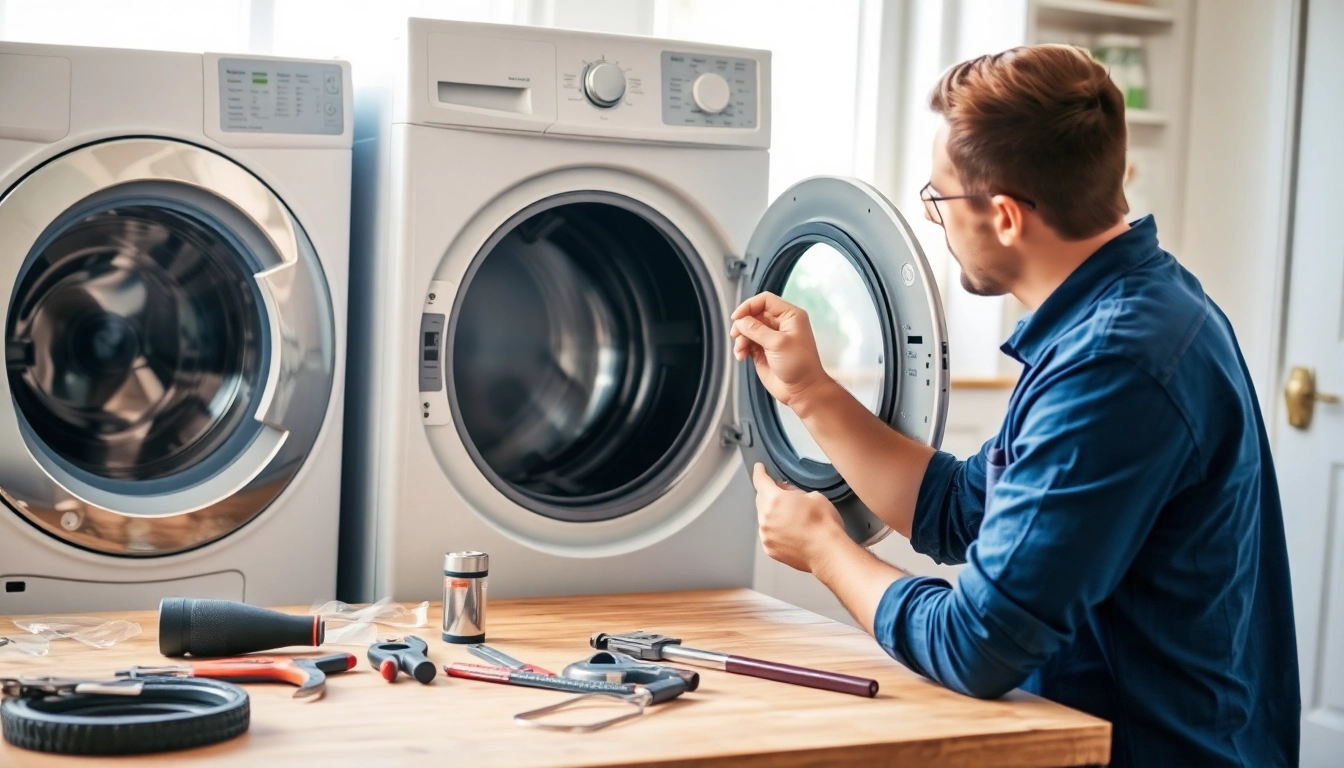
Understanding Common Dryer Issues
Dryers are essential appliances, making the chore of laundry more convenient. However, like any machine, they may experience issues over time. Whether your clothes are coming out damp or the dryer isn’t starting at all, knowing how to fix dryer problems can save you both time and money. In this section, we’ll explore common dryer issues, how to identify them, and basic troubleshooting steps you can take.
Identifying Signs Your Dryer Needs Repair
Many homeowners overlook the signs that their dryer may be starting to fail. Here are common signs to watch for:
- Clothes Remain Wet: If your clothes are still damp after a full cycle, something may be wrong.
- Excessive Noise: Unusual noises such as squeaking or banging can signal a mechanical issue.
- Long Drying Times: If the time needed to dry clothes increases significantly, it suggests a performance problem.
- Burning Smell: A burning smell can indicate overheating or other serious issues.
- Drum Won’t Spin: If the drum is not turning, the dryer won’t dry clothes.
Common Problems and Their Symptoms
Understanding the specific problems can help narrow down the cause:
- Poor Heating: If the dryer runs but doesn’t heat, potential issues include a faulty heating element or thermostat.
- Drum Issues: If the drum doesn’t turn, this might involve a broken belt or motor malfunction.
- Circuit or Door Issues: If the dryer won’t run at all, check for secure plugs or a properly closed door.
- Vent Clogs: Excess lint can clog the vent, causing long drying times and potential fire hazards.
Basic Troubleshooting Steps
Before calling a repair technician, you can try some basic troubleshooting steps:
- Ensure the dryer is plugged in and that the circuit breaker has not tripped.
- Check the door switch to ensure the door is properly closed.
- Inspect the lint trap and the dryer vent to ensure they are clean and clear of debris.
- Run the dryer on a short cycle to test if it heats up appropriately.
- If problems continue, consult the manual for your specific dryer model for additional troubleshooting tips.
How to Fix Dryer Not Heating
Reasons for Lack of Heat
A dryer that runs but does not heat can be frustrating. Here are some common reasons this issue occurs:
- Faulty Heating Element: The heating element might be broken or burned out.
- Thermostat Issues: A malfunctioning thermostat can prevent the dryer from reaching the necessary temperatures.
- Blocked Ventilation: Blockages in the vent can restrict airflow, preventing heat from circulating effectively.
- Power Supply Check: Ensure that your dryer is receiving sufficient power. An issue with the electrical supply could also cause heating problems.
Step-by-Step Heating Issue Solutions
Once you have identified the likely cause, follow these steps to resolve the heating issue:
- Check the Heating Element: Remove the back panel of the dryer to access the heating element. Test it for continuity using a multimeter, and replace it if faulty.
- Inspect the Thermostat: Locate the thermostat and test it for operation. If it’s not working, replace it.
- Clean Vent and Ducts: Disconnect the vent from the dryer and clear out any lint or debris. Consider using a vacuum or a vent cleaning brush.
- Verify Electrical Supply: Check the circuit breaker and ensure proper voltage is being supplied to the dryer.
Preventive Measures for Future Issues
To avoid encountering heating issues in the future, consider implementing these preventive measures:
- Regularly clean the lint trap and vent to prevent clogs.
- Schedule annual professional maintenance to ensure all components are functioning optimally.
- Be cautious with synthetic fabrics that may require specific drying temperatures.
- Ensure proper installation and an adequate power supply from the outlet to the dryer.
Fix Dryer Drum Problems
Symptoms of a Malfunctioning Dryer Drum
When your dryer drum is not functioning as it should, you’ll likely notice several indicators:
- The drum may not turn at all.
- Unusual noises such as squeaking or grinding.
- Clothes becoming wrinkled or damaged due to improper drum function.
Repairing a Stuck or Non-Spinning Drum
If your dryer drum is stuck or not spinning, follow these steps to troubleshoot:
- First, disconnect the dryer from the power source.
- Remove the front panel of the dryer to access the drum.
- Check the drive belt: If it’s broken or loose, it will need to be replaced.
- Inspect the motor: Ensure that the motor is functioning. If it appears faulty, replacement may be necessary.
- Reassemble the dryer and test it by reconnecting to the power supply.
Tools Needed for Drum Repairs
When carrying out repairs on your dryer drum, the following tools may be helpful:
- Screwdriver set for removing panels
- Multimeter for electrical tests
- Vacuum or lint brush for cleaning
- Replacement parts such as belts or motors as needed
Cost Considerations for Dryer Repairs
Average Repair Costs and Factors
The average cost of repairing a dryer typically ranges between $100 and $400, depending on various factors. Common elements affecting the costs include:
- The type of problem: Basic fixes, such as replacing a belt or thermostat, can be on the lower end.
- Parts required: Components like motors and control boards tend to be more expensive.
- Labor fees: Hiring a technician incurs labor costs that vary by location.
Weighing Repair vs. Replacement
When deciding whether to repair or replace a broken dryer, consider these guidelines:
- Evaluate the age of the dryer. If it’s over 10 years old, replacement might be a more cost-effective long-term solution.
- Calculate repair costs against the value of the dryer. If repairs exceed 50% of its current value, replacement may be wiser.
- Assess energy efficiency: Newer models may save more on energy costs, offsetting initial investment.
How to Reduce Repair Costs
Here are some actionable tips to help minimize dryer repair expenses:
- Perform regular maintenance to prevent costly repairs.
- Purchase parts from reputable online suppliers to save on replacement costs.
- Consult troubleshooting guides to fix small issues without professional help.
When to Call a Professional
Signs You Should Seek Expert Help
While DIY solutions can solve several dryer problems, there are times when professional help is warranted:
- If your dryer emits strange smells or smoke.
- In cases of severe mechanical failure that requires technical knowledge.
- When you are unsure about diagnosing or fixing an electrical fault.
Choosing the Right Repair Service
Selecting a reliable repair service is crucial for efficient service. Consider the following:
- Look for certified technicians with good customer reviews.
- Verify warranties on both repairs and parts.
- Inquire about their experience with your specific dryer model.
Questions to Ask Your Technician
Before hiring a repair technician, ask these critical questions:
- What is the estimated cost of repair, including parts and labor?
- How long will the repair take?
- What warranties do you offer on repairs and parts?
- Can you provide references or reviews from past customers?
FAQs
1. What is the average cost to fix a dryer?
The average cost of repairing a dryer ranges from $100 to $400, depending on the issues and parts needed. Basic repairs tend to be less expensive than major mechanical failures.
2. How can I tell if the heating element needs replacing?
If your dryer runs but doesn’t produce heat, it may be time to replace the heating element. Testing it with a multimeter for electrical continuity is a definitive method.
3. Should I attempt to repair my dryer myself?
Simple issues can often be resolved with basic tools and skills. However, for complex problems, hiring a professional is advisable for safety and efficiency.
4. How do I maintain my dryer to prevent issues?
Regularly clean the lint trap and ducts, inspect the exhaust vent, and schedule annual professional maintenance to prolong your dryer’s lifespan.
5. What should I do if my dryer is making strange noises?
If you hear unusual noises, stop using the dryer immediately to prevent damage. Inspect for issues such as a faulty drum roller or worn-out belt. Seek professional help if needed.